

Phoenix, Arizona (AZ)
Driving To Independence
Training families since 2001
Overview
How Do You Get Started?
A driving assessment may be necessary after a change in your health, physical abilities, or personal circumstances to ensure you remain safe behind the wheel. Because these changes can impact various driving skills, our evaluations carefully review each area that affects your performance. Our top priority is your safety and independent mobility.
Who Will Benefit from Driving to Independence?
What Should I Bring to My Appointment?
Common Questions
Find an Assessment
Watch a Driver Assessment Video
Instructors
-

Jenny Nordine
-
Jason Strowmatt
-
Jill Sclease
-
Lea Curcio
Photo Gallery
Open any photo in a new tab for a full-size view.


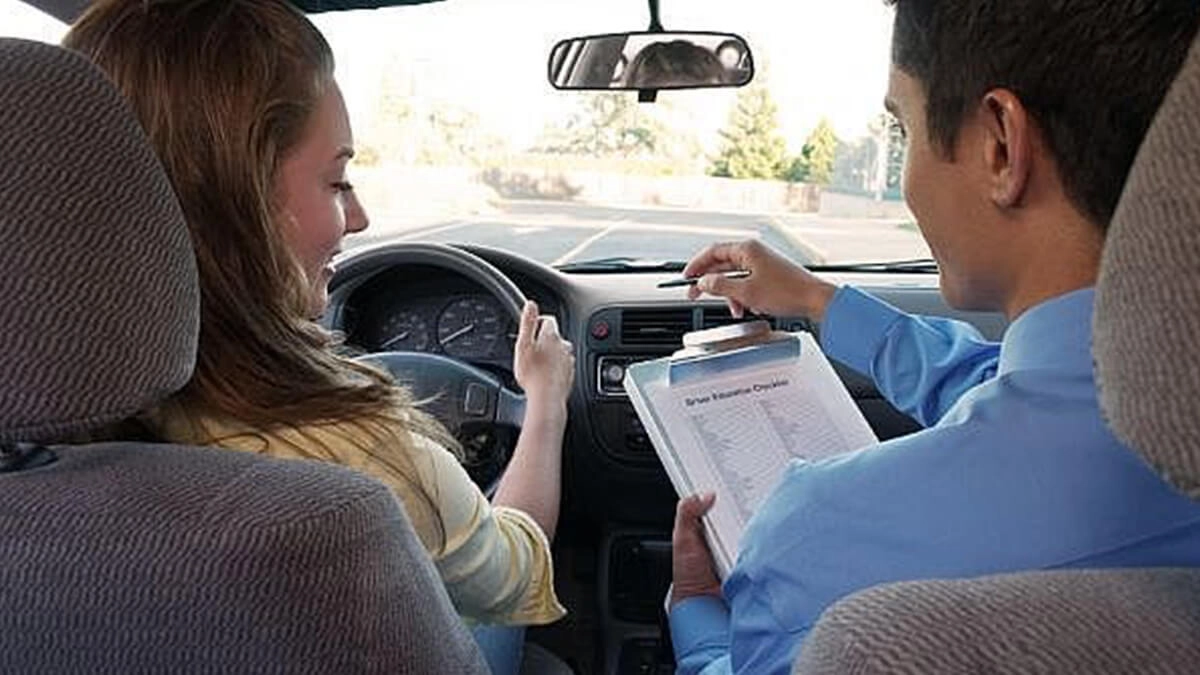





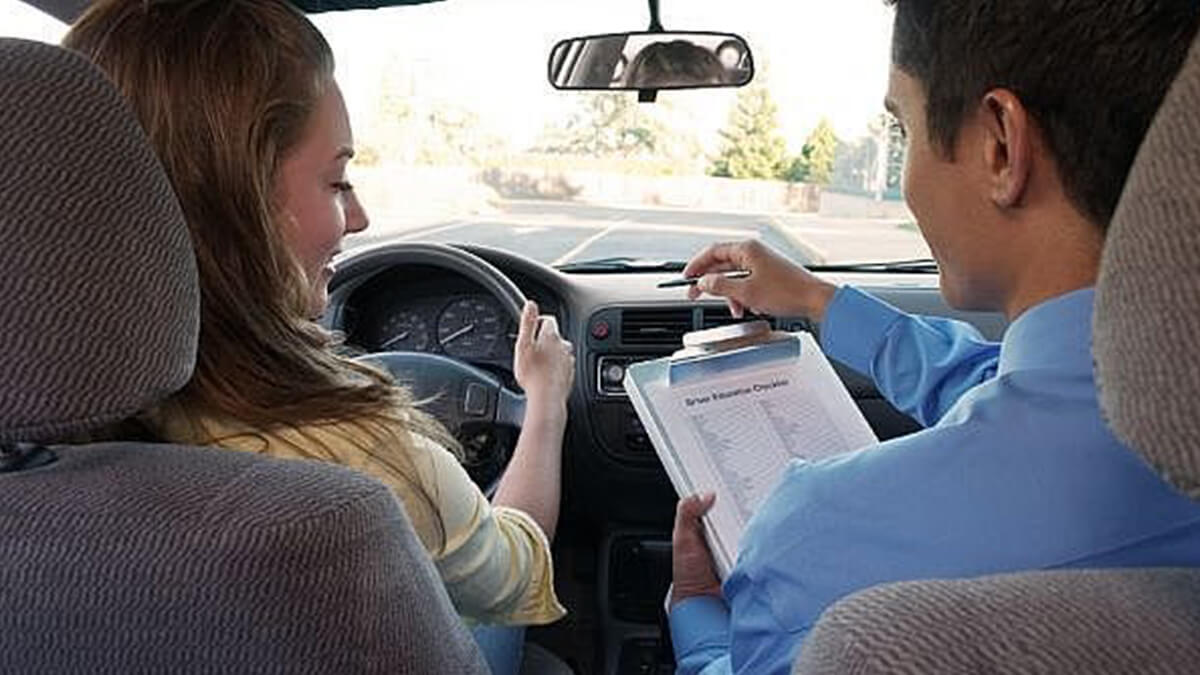

Area Map
Locations
Select an address to center the map on that stop.
Training Programs
4 offered-
Bioptic Driving Assessment (Arizona Only)
For those individuals who use a Bioptic Telescopic Lens for driving. Prior to early 2006, the State of Arizona did not permit the use of a Bioptic Telescopic Lens System (BTLS), or Bioptic, to be used while driving. The change in state law allowed individuals previously not independent in their community mobility the opportunity to drive and improve their quality of life. The ability to drive gives people access to better jobs, choice of location for a home and full participation in childrens’ activities and family events. Driving To Independence is the only adaptive driving school in Arizona performing bioptic driving assessments and training. Our program works closely with optometrists prescribing the BTLS and the initial training in the use of this device. It is ideal for individuals to be trained in the use of the BTLS by a qualified Occupational Therapist or Low vision specialist. This initial training allows the potential driver to be comfortable with the device while stationary and walking prior to use as a passenger and/or driver at these higher driving speeds. Driving To Independence is able to provide referrals and information regarding optometrists and Occupational Therapists specializing in this area by calling our office.
-
Potential to Drive
An assessment for unlicensed individuals who are unsure of their potential success with driving. A “Potential To Drive Evaluation” can be done by a Certified Driving Rehab Specialist to ensure that the potential driver is being assessed by someone with knowledge of the disability and experience working with those who may need extra time and care. The therapist can assist in defining the client’s potential ability to drive before obtaining a learners permit. We can help the client and family understand what skills need to be developed before learning to drive. Driving To Independence can provide and connect resources for funding and supplementary education.
-
Senior Safety Assessment
Specifically designed to provide a professional opinion on driving skill related to the natural aging process. A CDRS may assist senior drivers in planning safe and efficient driving routes to common destinations, by avoiding hazardous turns or the busiest traffic times. Additionally, it is likely that the rules or the road as well as the driving environment have changed in the last several years. Participating in a Driving Evaluation and Training may allow older drivers to “brush up” on their driving skills and knowledge. Accepting advice and techniques on driving safely may allow seniors to continue driving further into their senior years. Often time’s seniors will experience physical changes that will affect the way they drive. A CDRS can assist drivers in modifications that can be done to the vehicle or to one’s seating to allow them to drive more comfortably and safely. For example, changes in posture or range of motion in the upper extremities may mandate a need for adjustments to the steering wheel, seating or mirrors. Other changes such as loss of sensation or strength in ones feet, knees or hips may call for consideration of hand controls.
-
Driver Rehabilitation Assessment
A comprehensive assessment for those with a new diagnosis or a change in medical status.